
Sthira Sukham Āsanam Finding Grace Between Effort and Ease
Welcome gentle souls,
Within every posture there is an invitation to find both steadiness and ease. From this balance, grace naturally unfolds.
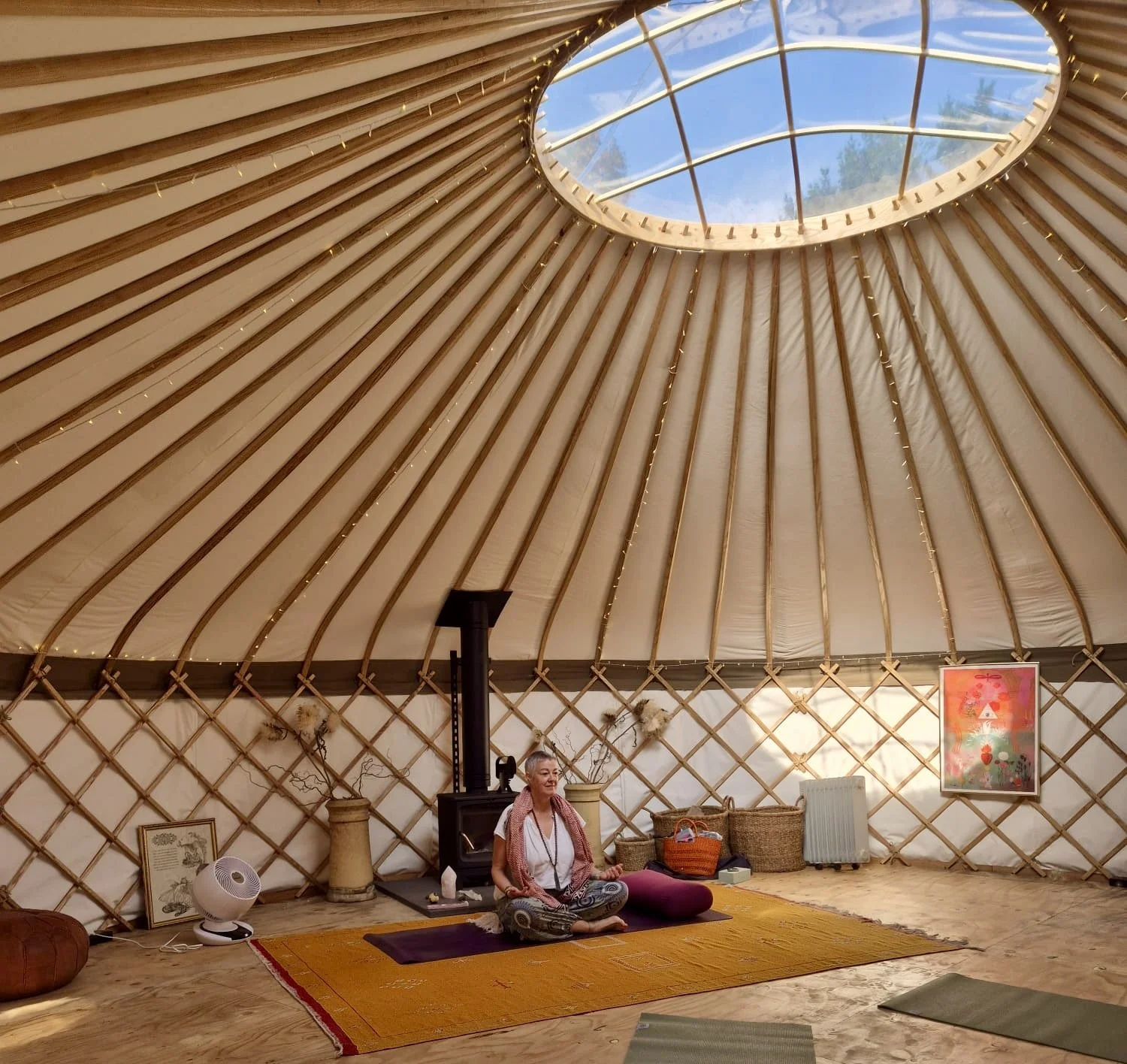
A moment of ease in the effort.
One of the most beautiful teachings within Patanjali’s Yoga Sutras is found in Sutra 2.46.
Sthira Sukham Āsanam
Three simple Sanskrit words that hold a lifetime of wisdom. It is one of the foundational principles in your practise that every posture should embody both steadiness and ease. There is a harmonious balance between the two where we discover grace. There is softness in strength and openness in steadiness.
Very little is known with any certainty about Patanjali. Rather than one individual, the name may refer to several scholars and sages who lived between the 2nd century BCE and the 5th century CE. Together they are credited with compiling the Yoga Sutras, a collection of approximately 195 concise teachings that continue to guide yoga practitioners today.
The word sutra, means ‘thread’, and is probably attributed to the way these teachings, written on palm leaf manuscripts were literally bound together with thread. A weaving together to create this beautiful fabric of yogic philosophy. These brief aphorisms are intentionally short and simple, easy to remember, but inviting your own contemplation and reflection within your own personal experiences rather than a fixed interpretation.
The Meaning Behind the Words.
Sthira translates as steadiness, stability, strength and groundedness.
Sukham speaks of ease, comfort, spaciousness and freedom from suffering.
Āsanam refers to posture. Traditionally it described the seated position for meditation although today it is commonly understood as the physical poses practised in yoga.
Together, they remind us that yoga is not about forcing ourselves into the deepest stretch or the most impressive shape. Instead, every posture becomes an exploration of balance between effort and ease.
This is where yoga meets you where you are.
Patanjali teaches us that when we push beyond the inherent wisdom of our bodies and into discomfort or pain, we lose the very essence of the practise.
Yoga was never intended to be about perfection. It is about listening.
Listening to the breath
Listening to the body.
Listening to the quiet wisdom that arises when we become fully present.
Every body is different. Every practise is different. The pose meets you exactly where you are today, and that is where the healing begins. There is harmony in finding your point, creating an awareness and ability to enjoy the posture and still find light and joy within the pose.
As we soften unnecessary effort while maintaining steady intention, something beautiful happens. The posture no longer feels like something we are trying to achieve; it becomes somewhere we can simply be. That is the true practise, finding that steady equilibrium.
Within that space, we discover not only physical balance but emotional resilience, inner calm and a quiet joy. Perhaps this is what Patanjali was inviting us towards all along, not the perfect pose but a perfectly present moment.
Where in your life could you soften your effort without losing your strength?
Where might steadiness and ease exist together?
When groundedness becomes your foundation and ease is in your breath, grace is no longer something you seek, it becomes the way you move through life. Stephanie
‘Nature does not hurry, yet everything is accomplished.’ Lao Tzu
Until next time,
Blessings,
Stephanie
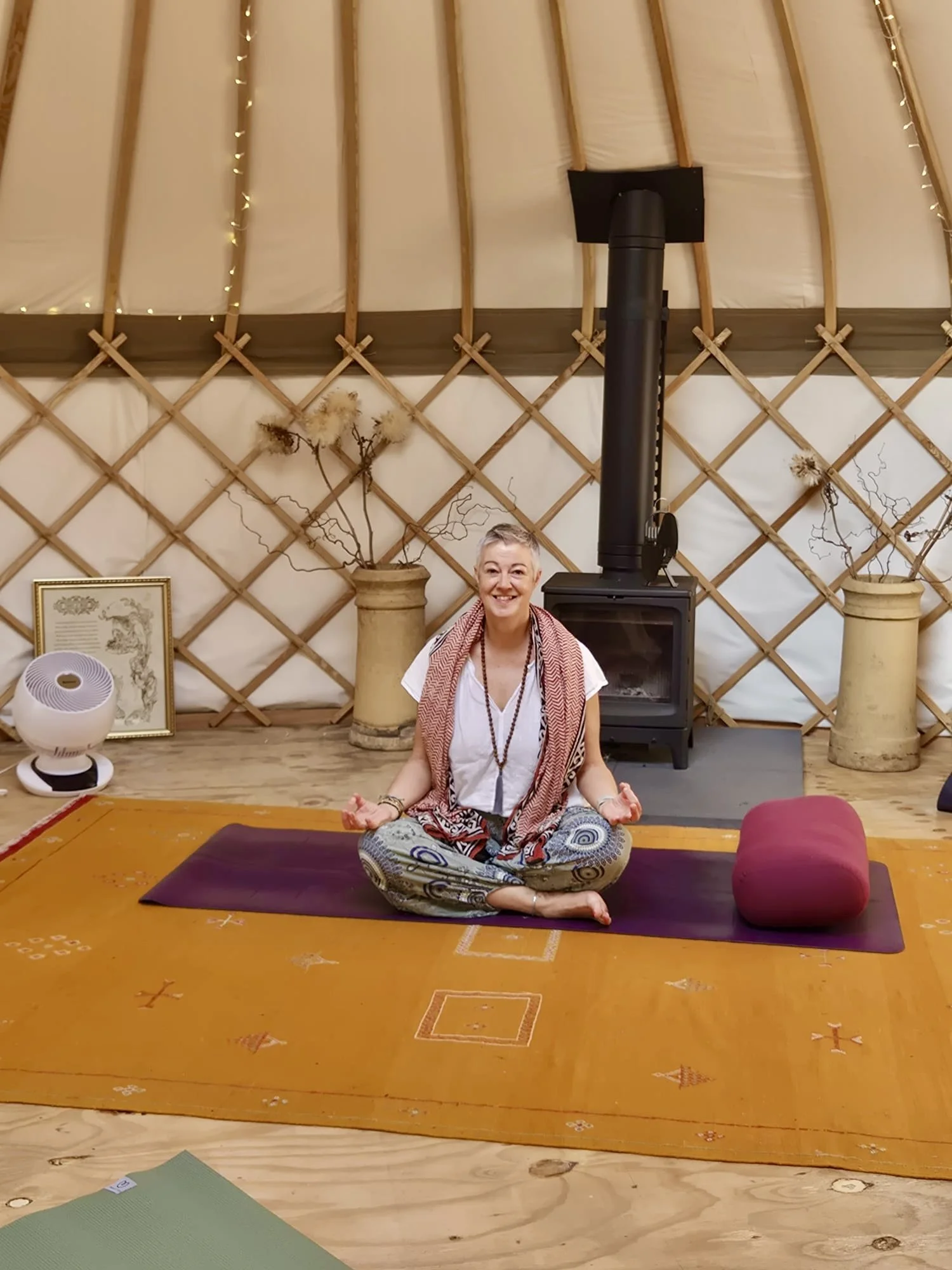
In the yurt this morning.
May your light shine brightly.